

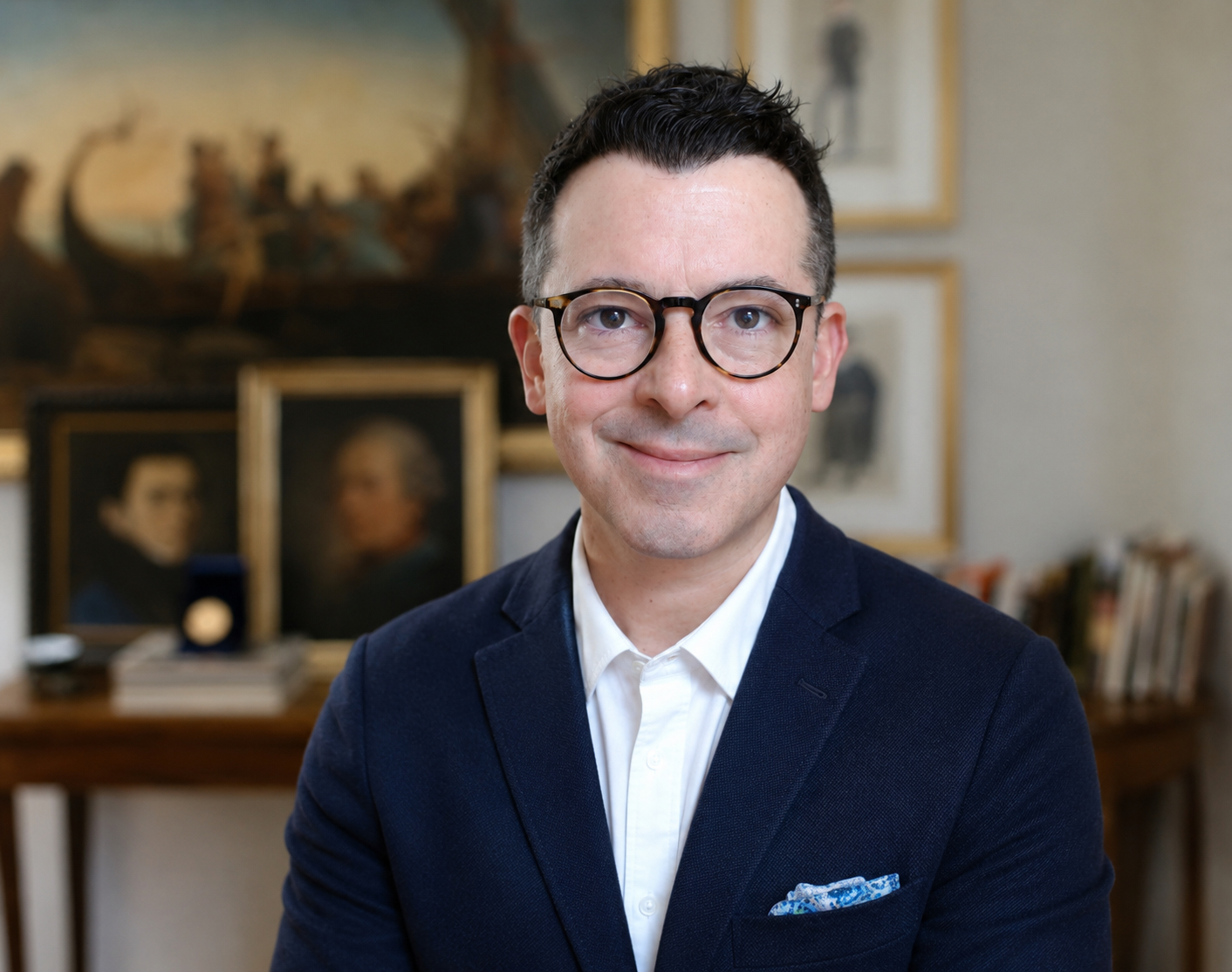
Dr. Arsenio Páez is a clinician-scientist and translational neuroscientist investigating how sleep neurophysiology influences brain health, cognition, and neurodegeneration across the lifespan. His research focuses on the role of non-rapid eye movement (NREM) sleep oscillations, including sleep spindles, slow oscillations, and their coordination through spindle–slow oscillation coupling, as biomarkers and potential therapeutic targets for preserving cognitive function in older adults at risk for dementia and individuals living with Alzheimer’s disease and related dementias.
Drawing on nearly three decades of experience in neurorehabilitation clinical practice, Dr. Páez approaches sleep neuroscience from a translational perspective, bridging fundamental mechanisms with clinically meaningful outcomes. His work examines how alterations in sleep architecture and oscillatory coordination relate to cognition, Alzheimer’s disease biomarkers, neuroinflammation, and resilience to neurological disease. Recent work has demonstrated that preserved sleep oscillatory coordination, including slow oscillation–spindle coupling, is associated with cognitive and clinical outcomes in Alzheimer’s disease, supporting the potential of sleep-based biomarkers for understanding disease progression and resilience. He also investigates scalable approaches to improving brain health, including lifestyle interventions such as physical activity and exercise, as well as neuromodulatory approaches such as closed-loop acoustic stimulation designed to enhance sleep oscillations and support cognition.
Dr. Páez is currently a Research Associate with the Sleep, Cognition and Neuroimaging Laboratory (SCNLab) at Concordia University and serves as Executive Director of the Canadian Sleep Society, where he contributes to advancing sleep science, education, and knowledge translation. He is also a Lady Mireille and Sir Dennis Gillings Global Public Health Fellow at the Institut Pasteur in Paris, where he is expanding his research into the intersection of sleep neurophysiology, neuroimmunology, and brain health within Professor Pierre-Marie Lledo’s laboratory. His work integrates human sleep EEG, biomarkers, wearable neurotechnology, and experimental neuroscience approaches to better understand how sleep influences cognitive resilience and recovery in neurological disease.
His broader goal is to bridge neuroscience, technology, and public health by developing accessible and scalable solutions that translate scientific discovery into meaningful improvements in cognition, independence, and quality of life. Through interdisciplinary collaboration, he aims to help ensure that advances in brain health research reach the people and communities who stand to benefit from them most.
Sleep neurophysiology; NREM sleep oscillations; sleep spindles; slow oscillations; spindle–slow oscillation coupling; sleep-dependent memory and cognition;
Alzheimer’s disease and related dementias; neurodegeneration; sleep biomarkers; wearable EEG; neurotechnology; physical activity and exercise interventions; closed-loop acoustic stimulation; brain health and aging; neuroimmunology
Email :Doctorpaez289@gmail.com
Peer-reviewed publications
Paez A, Rovers M, Hutchinson K, Rogers W, Vasey B, McCulloch P. Beyond the RCT: When are randomised trials unnecessary for new implantable therapeutic devices, and what should we do instead? Accpeted, Annals of Surgery, Ann Surg 2021. Impact factor 9.203
- Ban, J., Chan, M., Muthee, T., Paez, A., Stevens, R., & Perera, R. (2021). Design, methods, and reporting of impact studies of cardiovascular clinical prediction rules are suboptimal: A systematic review. Journal of Clinical Epidemiology, Journal of clinical epidemiology, 27 January 2021. Impact factor 4.92
Bilbro N*, Hirst A*, Paez A*, Sedrakyan A, McCulloch P, et al. Idea, Development, Exploration, Assessment, Long Term Monitoring (IDEAL) Guidelines for reporting the stages of surgical innovation. A Delphi consensus statement. Ann Surg. 2021 Jan 1;273(1):82-85. doi: 10.1097/SLA.0000000000004180. PMID: 32649459. Impact Factor (IF): 9.203 *co-first author
Paez A. The “architect analogy” of evidence-based practice: Reconsidering the role of clinical expertise and clinician experience in evidence-based healthcare. J Evid Based Med. 2018;11:219–226 Impact factor: 2.19
Beard D, Hamilton D, Davies L, Cook J, Hirst A, McCulloch P, Paez A. Evidence-based evaluation of practice and innovation in Physical Therapy using the IDEAL-Physio framework.Phys Ther and Rehab(PTJ).2018; Feb 98(2), 108-121. Impact factor: 3.849
Paez A, McColluch P, Hirst A, et al. Ideal-physio: a new tool guiding innovation and evaluation of complex interventions and enacting the EBM-manifesto in physiotherapy BMJ Evidence-Based Medicine 2018;23:88-89 Impact factor: 2.09
Hunt C, Paez A, Folmar, E. The impact of attentional focus on the treatment of musculoskeletal and movement disorders. Int J Sports Phys Ther. 2017 Nov; 12(6):901-907 IF: 3.090
Paez A. Gray literature: An important resource in systematic reviews.J Evid Based Med.2017;(10):233– 40. Impact factor: 2.19
- Biography
-
Dr. Arsenio Páez is a clinician-scientist and translational neuroscientist investigating how sleep neurophysiology influences brain health, cognition, and neurodegeneration across the lifespan. His research focuses on the role of non-rapid eye movement (NREM) sleep oscillations, including sleep spindles, slow oscillations, and their coordination through spindle–slow oscillation coupling, as biomarkers and potential therapeutic targets for preserving cognitive function in older adults at risk for dementia and individuals living with Alzheimer’s disease and related dementias.
Drawing on nearly three decades of experience in neurorehabilitation clinical practice, Dr. Páez approaches sleep neuroscience from a translational perspective, bridging fundamental mechanisms with clinically meaningful outcomes. His work examines how alterations in sleep architecture and oscillatory coordination relate to cognition, Alzheimer’s disease biomarkers, neuroinflammation, and resilience to neurological disease. Recent work has demonstrated that preserved sleep oscillatory coordination, including slow oscillation–spindle coupling, is associated with cognitive and clinical outcomes in Alzheimer’s disease, supporting the potential of sleep-based biomarkers for understanding disease progression and resilience. He also investigates scalable approaches to improving brain health, including lifestyle interventions such as physical activity and exercise, as well as neuromodulatory approaches such as closed-loop acoustic stimulation designed to enhance sleep oscillations and support cognition.
Dr. Páez is currently a Research Associate with the Sleep, Cognition and Neuroimaging Laboratory (SCNLab) at Concordia University and serves as Executive Director of the Canadian Sleep Society, where he contributes to advancing sleep science, education, and knowledge translation. He is also a Lady Mireille and Sir Dennis Gillings Global Public Health Fellow at the Institut Pasteur in Paris, where he is expanding his research into the intersection of sleep neurophysiology, neuroimmunology, and brain health within Professor Pierre-Marie Lledo’s laboratory. His work integrates human sleep EEG, biomarkers, wearable neurotechnology, and experimental neuroscience approaches to better understand how sleep influences cognitive resilience and recovery in neurological disease.
His broader goal is to bridge neuroscience, technology, and public health by developing accessible and scalable solutions that translate scientific discovery into meaningful improvements in cognition, independence, and quality of life. Through interdisciplinary collaboration, he aims to help ensure that advances in brain health research reach the people and communities who stand to benefit from them most.
- Research interests
-
Sleep neurophysiology; NREM sleep oscillations; sleep spindles; slow oscillations; spindle–slow oscillation coupling; sleep-dependent memory and cognition;
Alzheimer’s disease and related dementias; neurodegeneration; sleep biomarkers; wearable EEG; neurotechnology; physical activity and exercise interventions; closed-loop acoustic stimulation; brain health and aging; neuroimmunology
- Contact details
-
Email :Doctorpaez289@gmail.com
- Selected publications
-
Peer-reviewed publications
Paez A, Rovers M, Hutchinson K, Rogers W, Vasey B, McCulloch P. Beyond the RCT: When are randomised trials unnecessary for new implantable therapeutic devices, and what should we do instead? Accpeted, Annals of Surgery, Ann Surg 2021. Impact factor 9.203
- Ban, J., Chan, M., Muthee, T., Paez, A., Stevens, R., & Perera, R. (2021). Design, methods, and reporting of impact studies of cardiovascular clinical prediction rules are suboptimal: A systematic review. Journal of Clinical Epidemiology, Journal of clinical epidemiology, 27 January 2021. Impact factor 4.92
Bilbro N*, Hirst A*, Paez A*, Sedrakyan A, McCulloch P, et al. Idea, Development, Exploration, Assessment, Long Term Monitoring (IDEAL) Guidelines for reporting the stages of surgical innovation. A Delphi consensus statement. Ann Surg. 2021 Jan 1;273(1):82-85. doi: 10.1097/SLA.0000000000004180. PMID: 32649459. Impact Factor (IF): 9.203 *co-first author
Paez A. The “architect analogy” of evidence-based practice: Reconsidering the role of clinical expertise and clinician experience in evidence-based healthcare. J Evid Based Med. 2018;11:219–226 Impact factor: 2.19
Beard D, Hamilton D, Davies L, Cook J, Hirst A, McCulloch P, Paez A. Evidence-based evaluation of practice and innovation in Physical Therapy using the IDEAL-Physio framework.Phys Ther and Rehab(PTJ).2018; Feb 98(2), 108-121. Impact factor: 3.849
Paez A, McColluch P, Hirst A, et al. Ideal-physio: a new tool guiding innovation and evaluation of complex interventions and enacting the EBM-manifesto in physiotherapy BMJ Evidence-Based Medicine 2018;23:88-89 Impact factor: 2.09
Hunt C, Paez A, Folmar, E. The impact of attentional focus on the treatment of musculoskeletal and movement disorders. Int J Sports Phys Ther. 2017 Nov; 12(6):901-907 IF: 3.090
Paez A. Gray literature: An important resource in systematic reviews.J Evid Based Med.2017;(10):233– 40. Impact factor: 2.19